Concierge vs Software & Services: Which One is Best for My Organization?

Posts about:

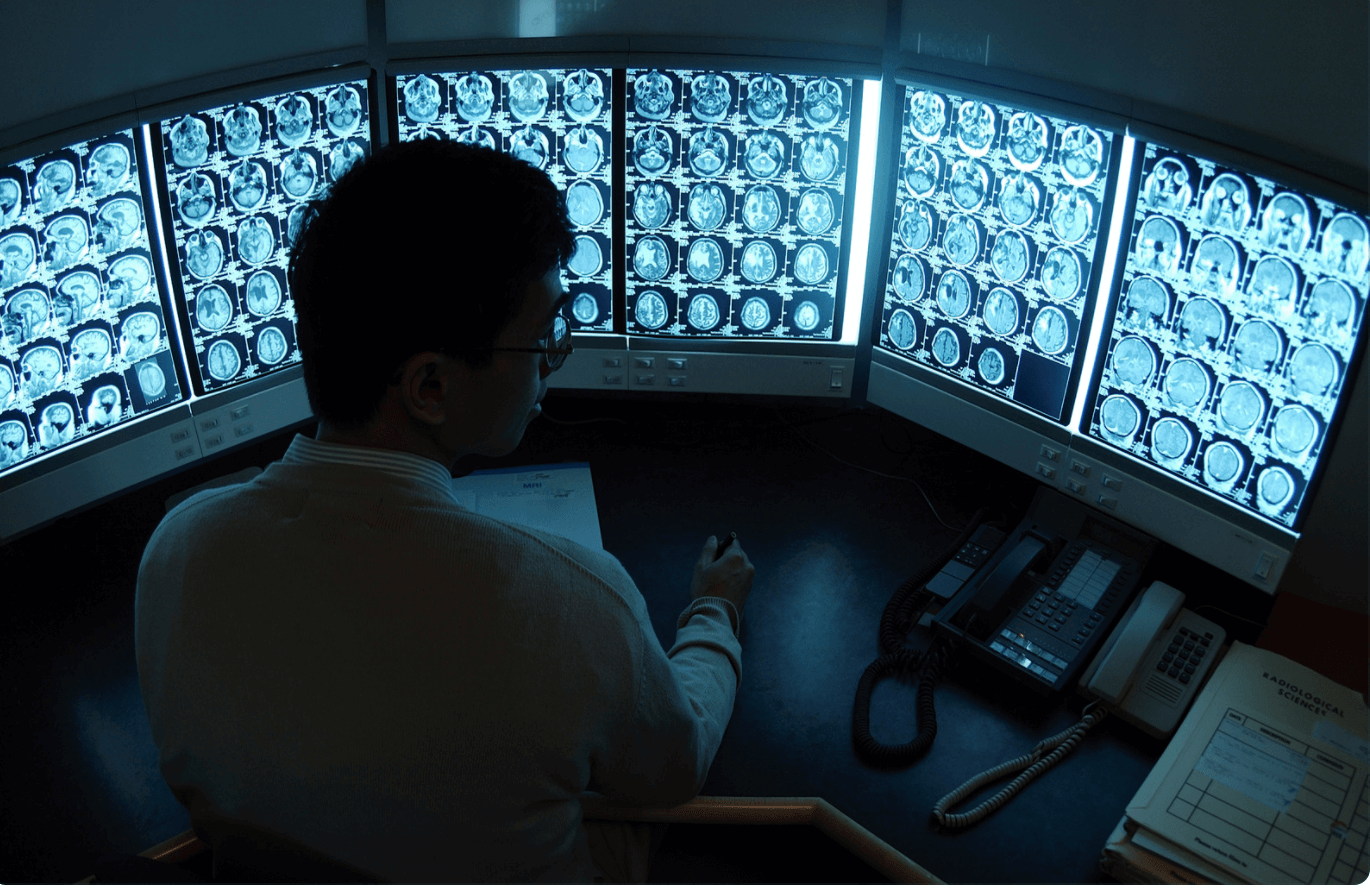
Many Purview Image users have questions about DICOM images, including:
Today, this blog post will focus on whether DICOM medical images can be compressed, when it's appropriate to compress them, and how you can get started.

Suppose a specialist physician in California is corresponding with a patient in Texas who has an urgent illness. The physician wants to schedule an emergency appointment, but needs to review the patient's medical imaging studies to properly confirm and address the diagnosis. The patient could send a CD hard copy of their studies through the mail, but this is costly and wastes valuable time. The CD could also get lost in transit or arrive to the physician broken or unreadable.

If you work in health care, you need to protect the data in your picture archiving and communication system. It's critical to have good data backups because losing protected health information (PHI), including images, could be detrimental to your practice or hospital.

In this series of blogs, Translating Healthcare, we will highlight and break down the meaning of phrases and terminology that are increasingly used, but not always widely understood. Today, we'll be unpacking the definitions of synchronous and asynchronous and examples of how they apply to the medical world.
On a basic level it might be clear that these two words refer to opposing things and have something to do with time… but how does their meaning they apply to healthcare?